






Rebeka Willard
Connector Contributor
On Jan. 23, 2026, The New York Times reported that the Trump administration ordered the Lowell National Historical Park to remove two videos displayed in the Boott Cotton Mills Museum. The videos educated viewers on the women and immigrants working in Lowell’s textile mills. They discuss the grueling conditions, long hours, and low wages of the 19th century mills.
The Trump administration ordered the Restoring Truth and Sanity to American History Act on March 27, 2025. This directive instructs government agencies to take down materials that “contain descriptions, depictions, or other content that inappropriately disparage Americans past or living.”
The executive order has affected many national parks across the country. In California, the Muir Woods National Monument had to remove a sign that explains how trees could help slow global warming. The order specifically mentions Independence National Historical Park in Philadelphia. As a result, the park had to take down information describing how the transatlantic slave trade destroyed the lives of Africans.
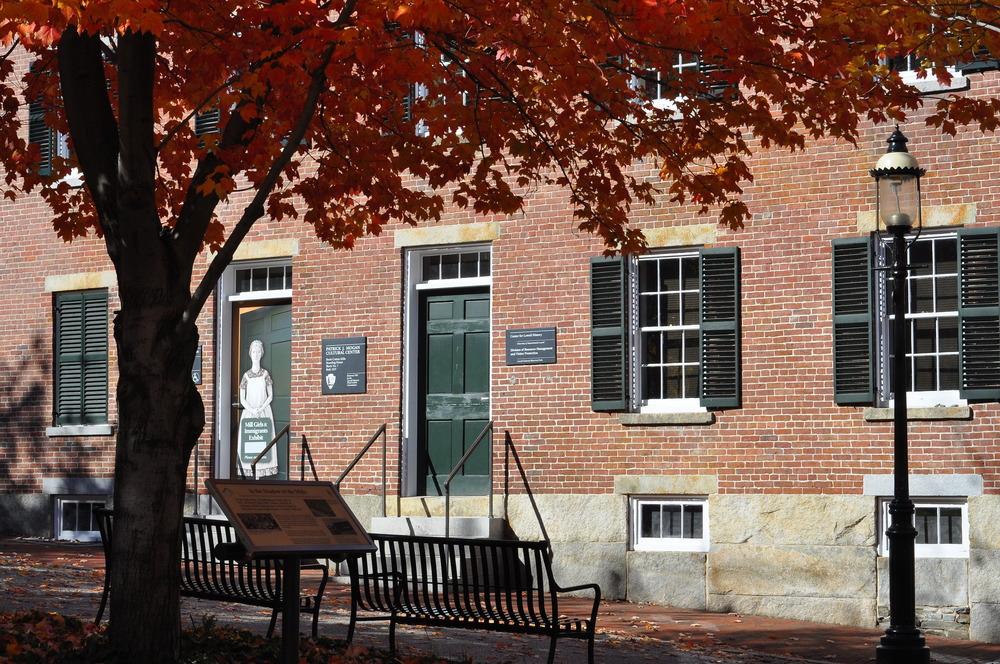
The Lowell Historical National Park aims to educate people on the impact the mills had on the country. The site highlights the contribution immigrant families and female factory workers made during the Industrial Revolution and how these efforts still impact Lowell today.
One of the two removed videos has been uploaded to YouTube on Massachusetts State Senator Ed Markey’s page. Titled Lowell: The Continuing Revolution, the video describes the challenges women and immigrants faced while working in the mills. Specifically, the video shows how Mill Girls had to go on strike to demand fair wages and improved working conditions. The video explains that once new technologies grew in popularity, Lowell’s economy diminished.
The U.S. Department of the Interior has displayed signs in the park asking visitors to report displays that are “negative about either past or living Americans or that fail to emphasize the beauty, grandeur, and abundance of landscapes or other natural features.”
A park ranger working at the Lowell National Historical Park provided the site’s official quote on Feb. 28, 2026, stating, “Any videos that were removed were to ensure compliance with the secretary’s order.”
Moose Hoagland, a junior majoring in Elementary and Special Education at UMass Lowell, visited the Lowell National Historical Park in late February. Hoagland shared that the park included limited information on the working conditions of immigrant and women millworkers. During an interview, Hoagland reflects that if the park included more information, it would be “more immersive for someone who’s learning about it. To put themselves in their shoes and think, ‘wow’, that sounds really difficult.”
UMass Lowell English professor Dr. Bridget Marshall researches women working in Lowell during the Industrial Revolution and how their stories shape literature. Marshall shares Harriet Hanson Robinson’s story, an 11-year-old girl who wrote about her time working in the mills.
Robinson participated in one of the first strikes that took place in the United States. She fought for better pay and working conditions when corporations tried to lower wages.
In an interview, Marshall emphasizes the importance of sharing historical stories. Arguing there is “some strange rhetoric going on about how ‘this isn’t American history.’ But who decides what American history is?” Marshall explains that although Lowell’s history includes many positives, we must learn from past mistakes in order to grow.
Marshall recommends using the Center for Lowell History library to learn more about the challenges women and immigrants faced while working in the mills. The center provides online and in-person resources of firsthand accounts written by millworkers. Its mission is to preserve historical subject materials and ensure accessibility to the public.
The Lowell National Historical Park is located at 246 Market St, Lowell, MA 01852. The park is open from 10:00 am to 4:00 pm on Saturdays and Sundays. To learn more visit: https://www.nps.gov/lowe/index.htm